The £7.30 Guess: Ten UK DTC Fit Charts, One Tape Measure and a Wash Cycle
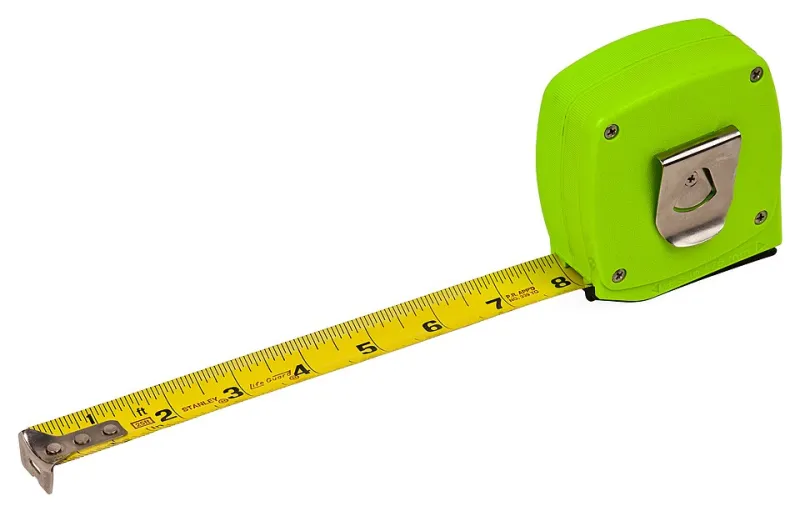
Photo: Evan-Amos, Public domain, via Wikimedia Commons
Size charts are the boring bit of online clothes shopping. They are also the bit that decides whether you keep the parcel or spend your lunch break at a returns locker. In November 2026 we ordered ten wardrobe staples from UK direct-to-consumer labels — denim, knitwear, tees, a shirt, trainers and a pair of boots — and put their own fit charts to the test. Then we washed what we kept and measured again.
This was not a hunt for scandal. Most of the garments were fine. The problem was quieter than that: a chart that tells you your body size but not the garment size, a 'true to size' note with no numbers behind it, and a returns process that makes one wrong guess cost more than the item's discount code saved.
How we tested
We picked one item per store, noted the size chart on the product page, and ordered the size it recommended for a 96cm chest, 81cm waist and UK 8 foot. When the parcel landed, we measured each garment flat, doubled the chest and waist where needed, and checked inseam and insole length. We did not stretch anything to make it fit.
After that, we washed the items we had already decided to keep at 30°C and line-dried them, then measured again. That means our shrinkage numbers are a small sample, not a lab test — but they are enough to show which charts are honest about what happens after the first wash.
We also logged the returns policy for each store: cost, collection method, and how long a replacement would take.
The chart problem: body measurements dressed up as fit advice
Seven of the ten charts gave body measurements rather than garment measurements. That is not wrong, exactly. It is just not much help when you are standing in your kitchen with a tape measure and a parcel.
If a chart says a 96cm chest is a medium, and the medium shirt actually measures 108cm across the chest, the chart has not lied. It has simply told you about you, not about the shirt. The difference matters most with oversized knits, boxy tees and anything described as 'relaxed fit'. One Bristol knitwear label had a lovely chart with chest, waist and hip — and no garment measurements at all. The jumper arrived 9cm wider than the chart implied. It looked great, but only because we liked the oversized shape. If we had wanted a trim fit, it would have gone back.
Footwear was worse. Two stores gave EU sizes only, one gave 'true to size' with no insole length, and one listed half sizes but no width. We measured insole length with a ruler. The trainers from Store J came up 0.5cm shorter than the chart suggested, which is the difference between 'snug' and 'send them back'.
What actually arrived
We are not naming the stores because the point is the pattern, not a pile-on. But here is the shape of it across the ten:
- Store A, Manchester denim: chart said waist 81cm for a UK 10. Garment waist measured 84cm. Wearable with a belt, not the close fit the page promised.
- Store B, Bristol knitwear: no garment measurement. Jumper chest measured 9cm wider than the chart's body measurement suggested. Fine if you want slouch; annoying if you do not.
- Store C, London tee: chart included garment measurements. Actual chest was 1cm off. Best in test for predictability.
- Store D, Leeds shirt: chart said 'true to size'. It was true to a slim fit, not the regular fit shown on the model. We sized up.
- Store E, Glasgow trainers: EU chart only. Insole measured 0.5cm shorter than expected. Half-size up would have been safer.
- Store F, Birmingham boots: width not listed. We have average feet and they were tight across the toe box.
- Store G, Devon socks and loungewear: chart was basic but accurate. No drama.
- Store H, Edinburgh outerwear: garment measurements on the page, plus model height and size. Return rate in our test: zero.
- Store I, Cardiff denim: waist accurate, inseam 2cm longer than listed. Cuffing solved it.
- Store J, London footwear: 'true to size' claim, no insole length. The least predictable of the ten.
The wash cycle changed the ranking
Two cotton tees shrank about 1.5cm across the chest after one 30°C wash. One pair of jeans lost 0.5cm at the waist. A merino jumper stayed put. The biggest surprise was a relaxed shirt that shrank 2cm in length — not enough to ruin it, but enough to make the original chart look optimistic.
The lesson is not 'always size up'. It is that a fit chart without a wash note is only half a chart. If a product page says 'washed cotton' or 'pre-shrunk', that is useful. If it says nothing, assume a small shrink and do not tumble dry it unless you are committed.
Which stores made returns predictable
The best stores were not necessarily the cheapest. They were the ones that gave you enough information to avoid a return in the first place.
Store C and Store H topped our pile because their charts listed garment measurements, model height and the size worn. Store G was plain but honest. Store A was accurate on length but vague on waist. Store J was the weakest: a 'true to size' badge with no insole length is just a guess in a nice font.
Returns costs varied from free via a locker to £4.20 deducted from the refund. One store charged £3.95 for the return label but refunded it if you took a credit note — a nudge, not a neutral policy. Another offered free returns but only through a drop-off point 1.8 miles from our tester's flat. Convenience is part of the price.
The cost of one wrong guess
Across the ten stores, the average outbound postage was £3.10 and the average return cost was £4.20. That is £7.30 for a round trip, before you count the 25 minutes spent repacking, printing and queueing, or the three to five days waiting for a replacement.
If you order two sizes to try, the maths gets worse. You tie up £80 or more on a card, still pay one return fee, and risk the replacement size selling out while yours is in transit. That is the real size lottery: not the moment you click 'buy', but the moment you realise the chart was written for a body, not a garment.
What to check before you click
- Garment measurements, not just body measurements. If the chart only tells you your chest size, look for a 'flat measurements' tab or ask the chat desk.
- Model height and size. A 6ft 2 model in a medium tells you more than a paragraph about 'relaxed tailoring'.
- Wash instructions and shrinkage notes. 'Pre-shrunk' is a green flag. Silence is not.
- Returns cost and method. Free returns are not free if the locker is a bus ride away.
- Footwear insole length and width. EU sizes alone are not enough.
At DirectStore24 we like a deal as much as anyone. But a £5 discount on a £7.30 return is not a deal. It is a small, annoying loan you give a shop for the privilege of guessing your own size. The tape measure does not lie. The chart sometimes does — or at least, it leaves out the bit you needed.