Black Friday 2026: Real DTC Markdowns, RRP Theatre and the Five Checks Before You Click

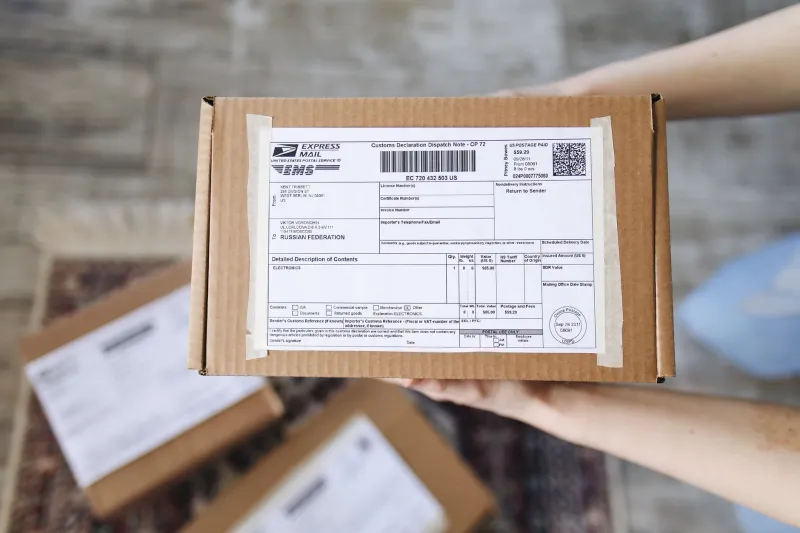
Photo: Billy McCrorie, CC BY-SA 2.0, via Wikimedia Commons
Black Friday lands on Friday 27 November 2026, and the direct-to-consumer crowd is already warming up the countdown timers. If you shop DTC — brands that sell straight to you rather than through a department store or marketplace — the offers can be genuinely good. They can also be pure theatre: a mid-market jumper with a made-up RRP, a was price that never actually held, or a bundle that costs more than buying the bits separately.
Why DTC Black Friday feels different in 2026
DTC brands live on margin and repeat custom. Many would rather give you a free refill, a longer trial or a decent bundle than slash 60% off and wreck their positioning. That is good news for shoppers who read the small print. The catch is that DTC sites are also very good at designing offers that feel urgent without being especially generous.
The practical move is to treat every Black Friday page like a price comparison, not a festival. You are not there to admire the red banner. You are there to answer one question: is this cheaper than the normal direct price, and is it cheaper than the high street equivalent once delivery and returns are included?
Real markdowns versus RRP theatre
A real markdown has three fingerprints. The product was on sale at the higher price recently, the discount is better than the brand's usual promotions, and the deal survives a basket-level check after postage. RRP theatre usually has one fingerprint: a wildly high recommended retail price that nobody in the real world pays.
Watch for the classic DTC tricks. A skincare set might be advertised as worth £95, but the brand sells the same three items individually for £58 most of the year. A mattress might show 45% off, but the same mattress was 40% off in September and will be 40% off again in January. A fashion brand might launch a members-only extra 10% that is open to anyone who hands over an email address.
None of that is illegal. It is marketing. Your job is to separate the maths from the mood music.
Check the price history, not the red sticker
Before you click, run a quick price-history check. Browser extensions and price-tracker sites are not perfect, but they are much better than a brand's own was/now label. For marketplace listings, tools such as Keepa and CamelCamelCamel are useful for Amazon price history. For direct stores, Google Shopping can show whether the same item has been floating around at a lower price elsewhere.
Then do a unit-price check. A 20% bigger pack at 15% off is not a deal if the price per gram has gone up. Coffee, supplements, pet food and cleaning refills are classic places where the headline discount hides a smaller fill.
Finally, check the delivery cut-off. A genuine bargain that arrives on 28 December is not much use if it was meant to be a Christmas gift. Black Friday 2026 falls on 27 November, so standard delivery windows matter more than the banner suggests.
Where buying direct still beats the high street
Buying direct is not automatically cheaper, but it often wins in specific categories. Refill systems are a good example: razors, coffee pods, cleaning sprays and skincare refills usually have a lower ongoing cost when you buy from the brand, especially if you can pause the subscription. Niche sizes are another: tall, petite, wide-fit and extended-size clothing is often better stocked direct than in a high-street store.
Bulky home items can also work direct, provided returns are clear. A mattress or a piece of flat-pack furniture might be cheaper from the maker, but only if the trial period and collection costs are sensible. Subscription staples — pet food, vitamins, period products, everyday basics — are worth pricing direct because the repeat discount is where the real saving sits, not the Black Friday headline.
Where direct tends to lose? Small electronics with no clear warranty, beauty products you have not sampled, shoes where fit is fussy, and anything where the return postage could wipe out the saving.
The five-point pre-click checklist
-
Check the price history. If the same item was cheaper in October, the Black Friday label is decoration. Look for a genuine low, not just a bigger red number.
-
Sanity-check the RRP. Search the product name plus RRP and see whether anyone actually sells it at that price. If the only reference is the brand's own site, treat the discount with suspicion.
-
Price the whole basket. Add delivery, any small-order fee and the cost of returning it. A £6 saving disappears fast when returns cost £4.95.
-
Read the returns policy before you buy, not after. Look for the window, free-returns threshold, whether collection is available and any restocking fee. A deal on something you cannot easily return is not a deal.
-
Check stock and delivery dates. If the item is on pre-order, shipping from overseas or due after the date you need it, walk away. Urgency is not the same as value.
The bottom line
Black Friday 2026 will have real DTC deals. It will also have plenty of inflated RRPs and countdown timers designed to make you buy before you check. The brands worth buying from are the ones that make the comparison easy: clear pricing, a decent returns window and a delivery date you can trust. Everything else is just theatre with a discount sticker.