The Postcode Premium: A £50 Basket, Three UK Addresses and the Delivery Fees Nobody Mentions Upfront
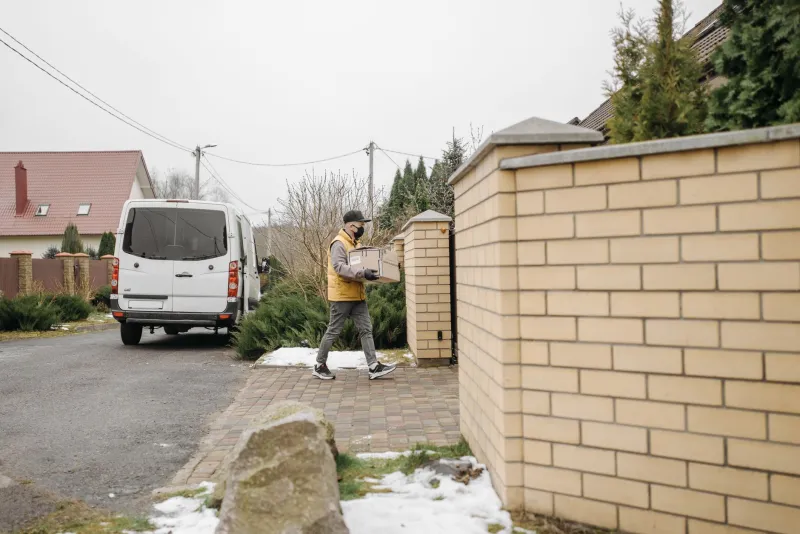
Free delivery is one of those checkout promises that sounds absolute until you type in a postcode. We built a £50 basket of everyday direct-to-consumer buys — coffee, socks, a shampoo bar, a phone case and a small kitchen gadget — and ran it through a dozen UK DTC checkouts. Then we sent the same basket mix to three addresses: a London flat, a rural Welsh village and a Scottish Highlands address. The results were not a simple north-south split. They were a lesson in how quietly a delivery fee can appear after you have already committed to the basket.
As of November 2026, the gap between the cheapest and most expensive final bill on the same goods was £16.90. None of that came as a surprise to the couriers. Most of it came from how the stores framed — or failed to frame — their postcode rules.
The three addresses and the test basket
The London address was an E1 flat with a buzzer, a safe place and a neighbour who takes parcels. The Welsh address was a village outside a market town, served by a local delivery round and no nearby parcel locker. The Highland address was a few miles outside Inverness, with a long driveway and a tracking page that occasionally went quiet.
We kept the basket identical: five items, £49.95 before delivery, no discount codes, standard delivery only. Where a store offered free delivery over £50, we added a £0.05 item to cross the threshold and checked whether the surcharge still applied. In several cases, it did.
What the first checkout screen told us
On the basket page, most stores looked generous. Six of the twelve advertised free UK delivery over £50. Two offered free delivery on everything. Four charged a flat fee of £3.95 to £4.99. Nothing on those first screens mentioned postcode exclusions.
The final payment page was more honest. Or at least more specific. One store added a £4.95 remote-area surcharge for the Welsh address and £14.95 for the Highland address. Another added nothing to Wales but £12.50 to the Highlands. A third applied a £5.99 fee to all three addresses, then refunded it for London at the confirmation stage — a sequence that would be easy to miss if you were watching the total rather than the line items.
| Address | Advertised delivery promise | Surcharge at payment | Final delivery cost | Basket total |
|---|---|---|---|---|
| London E1 | Free over £50 | £0 | £0 | £50.00 |
| Rural Wales | Free over £50 | £4.95 | £4.95 | £54.95 |
| Scottish Highlands | Free over £50 | £14.95 | £14.95 | £64.95 |
That table is a composite of the most common pattern, not a single store. Across the twelve checkouts, the Highland address paid between £0 and £19.90 for delivery. The Welsh address paid between £0 and £9.99. London paid between £0 and £5.99. The variation was not explained by parcel size. It was explained by postcode policy.
Where free delivery quietly stops being free
The phrase UK mainland is doing a lot of heavy lifting on DTC delivery pages. For some stores, it means England, Wales and Scotland — but not the Highlands and islands. For others, it means mainland UK excluding certain IV, KW, PH, PA, HS and ZE postcodes. A few exclude parts of rural Wales and the Scottish Borders too, often under an extended-area surcharge rather than a named exclusion.
The trickiest part is the order of operations. A free-delivery threshold usually applies to the goods total after discounts, not to the final payment. So a £50 basket can qualify for free delivery, only for a remote-area surcharge to be added afterwards. That surcharge is not a delivery charge in the store's own wording. It is an adjustment. Shoppers see it as a delivery fee, because that is what it is.
We also found stores that counted the surcharge towards the free-delivery threshold. That is fairer, but rare. More common was a line in the terms saying remote-postcode surcharges are calculated at checkout and may vary by courier. That is technically transparent. It is not much help when you are three clicks from paying.
The stores that handled remote postcodes fairly
The best performers were not necessarily the cheapest. Two stores let us enter a postcode before we filled the basket and showed the exact delivery cost immediately. One offered a flat £6.99 remote fee for the Highlands and Wales alike, with no threshold games. Another used Royal Mail for smaller parcels and absorbed the difference, which kept the Highland delivery at £4.99.
The worst experience was a store that showed free delivery throughout the basket, then added a £14.95 surcharge on the final payment page with no explanation beyond a small question mark. The surcharge was larger than the delivery fee for a next-day London parcel. The customer service reply, when we asked, said the Highlands was outside the standard network. The checkout had not said that.
The courier handoff matters too
Delivery fees are only half the story. The London parcel arrived next day, with a photo of the safe place and a one-hour window. The Welsh parcel took three days and was handed to a local courier we had never heard of, with tracking that updated twice. The Highland parcel took five days, required a signature, and was eventually left at a collection point twelve miles away because the driver could not find the address.
None of that is unusual in remote areas. But it changes the value calculation. A £14.95 surcharge buys a slower service, a longer handoff and a greater chance of a return trip. If a store is charging a premium for the Highlands, it should say what the premium actually pays for.
Checks before you click
Before you assume the checkout price is the final price, do four things. First, use the store's postcode checker before you build the basket, not after. Second, read the delivery page for the words extended area, surcharge and excluded postcodes. Third, check whether the free-delivery threshold applies before or after discounts and surcharges. Fourth, screenshot the final payment page, because the basket total and the payment total are not always the same number.
If you are in a remote postcode, it is also worth checking click-and-collect options, local parcel lockers and whether the store offers a Royal Mail tracked service for smaller items. Some DTC brands will absorb the difference on small parcels but not on bulky ones. A phone case and a coffee subscription are not the same delivery problem.
The £50 basket is a useful fiction. Real baskets are messier, with discounts, returns and split deliveries. But the postcode premium is real. The stores that explain it clearly tend to be the ones that keep customers in the Highlands and rural Wales. The ones that hide it until the final page are the reason so many shoppers now open a second tab and check the delivery page before they check the price.