Three Taps, One Bill: What a £60 Basket Really Costs Across BNPL, Credit and Debit
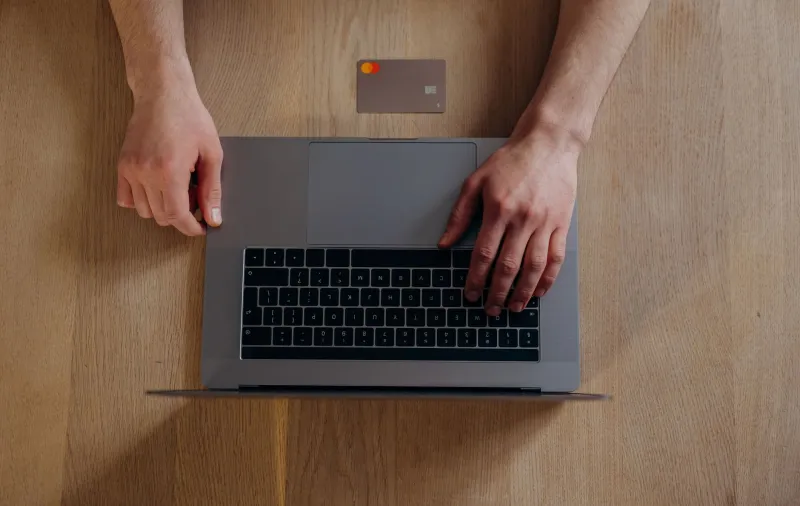
The checkout button is the most persuasive piece of design in online retail. It's short, it's friendly, and it splits your total into three tidy little numbers that feel like a rounding error. So we did the obvious thing: we built one basket, worth exactly £60, and bought it from ten UK direct-to-consumer stores three times over — once with pay-in-three, once on a credit card, once on debit. Same products, same addresses, same week in October 2026.
The sticker price never budged. Everything around it did.
How we ran the test
Ten DTC sites across vitamins, grooming, coffee, pet food, bedding, skincare, home fragrance, socks, sports nutrition and cleaning refills. Nothing luxury, nothing obscure — the sort of shops that turn up in your Instagram feed between payday and the 28th.
For each store we logged four things: the total charged at checkout, any fee disclosed before confirmation, whether a credit search was triggered, and how long a refund actually took to land when we returned one item per basket. We paid every instalment on time. That last bit matters, because it means we tested the good-case scenario, not the horror story.
The £60 splits into three £20s — on paper
At nine of the ten stores, pay-in-three charged us £20 today and £20 in each of the following two months. Zero interest, zero arrangement fee, provided nothing slipped. The tenth store applied a small service fee to the plan, disclosed in grey text one click before confirmation, which pushed the total to £62.40. Nothing scandalous. Nothing obvious either.
The catch isn't the price of the plan. It's the price of the plan going wrong.
Late fees at the providers we encountered sit in the £5–£8 per missed instalment range, with some capping the total per order and others not. On a £60 basket, one missed payment can wipe out the entire benefit of splitting it. Two missed payments and you've effectively paid a 20% premium for the privilege of delaying £40 by a few weeks.
Where the default setting does the selling
On seven of the ten sites, pay-in-three was pre-selected or visually dominant at checkout — bigger button, brighter colour, sitting above the card fields. On three, the card option was greyed into a text link. That's not a fee, but it is a nudge, and it's the single most effective one in e-commerce.
We ran the same basket twice on one grooming site: once clicking through the default, once deliberately choosing card. Same total. But the default route added a marketing opt-in we hadn't asked for and required an account creation we'd otherwise have skipped. Small frictions, compounding.
The credit search question nobody answers clearly
Most pay-in-three products run a soft search — visible to you, not to other lenders. Two of the providers in our test indicated a hard search could apply in some circumstances, buried in a linked policy page. That's the detail worth hunting for, because a hard search leaves a footprint that follows you to a mortgage appointment.
Our advice, and it's boring advice: before you tap the shiny button, check the provider's credit reference page rather than the retailer's checkout copy. The retailer is selling a basket. The provider is selling credit.
Refunds are where the timelines diverge
We returned one £20 item per basket. Card refunds landed in three to five working days, consistently. Debit refunds were similar, sometimes a day faster.
Pay-in-three refunds were messier. In four cases the provider adjusted the remaining instalments instead of returning cash, which is fine if you understand it and baffling if you don't — your 'refund' arrives as a smaller future payment, not money in your account. In two cases the cash came back in eight to eleven days. One store took fourteen, because the retailer and the provider each waited for the other to blink.
If you're buying something you might return — shoes, bedding, anything sized — the upfront payment is the more flexible choice, and it isn't close.
The debit-card blind spot
Here's the bit that surprised us. Debit wasn't always the cheapest either. Two stores applied a card surcharge that vanished when we selected pay-in-three, because the provider absorbs the processing cost. The 'free' option was the one that costs money later. Read the total, not the payment method name.
The five-second pre-click check
- Is this the default, or did I choose it?
- What's the total including any plan fee, not just today's instalment?
- What happens if I miss one payment — fee, cap, consequence?
- Does my refund come back as cash or as a smaller future bill?
- Is there a card surcharge I'm avoiding by borrowing instead?
The verdict
Pay-in-three is a genuinely useful tool for spreading a known, budgeted cost across a pay cycle. It is not a discount, and it is not free in any meaningful sense — it's free only if you're the sort of person who never needs the fee schedule, and the fee schedule exists precisely because most people eventually do.
On our £60 basket, the cheapest route was debit at a store with no surcharge, followed closely by credit card. Pay-in-three came third once we priced the risk rather than the headline. The most convenient-looking button was, once again, not the cheapest basket.
Check the total. Then check what happens after the total.