Gift Card, Half Gift: Ten £25 DTC Vouchers and the Fine Print That Shrinks Them
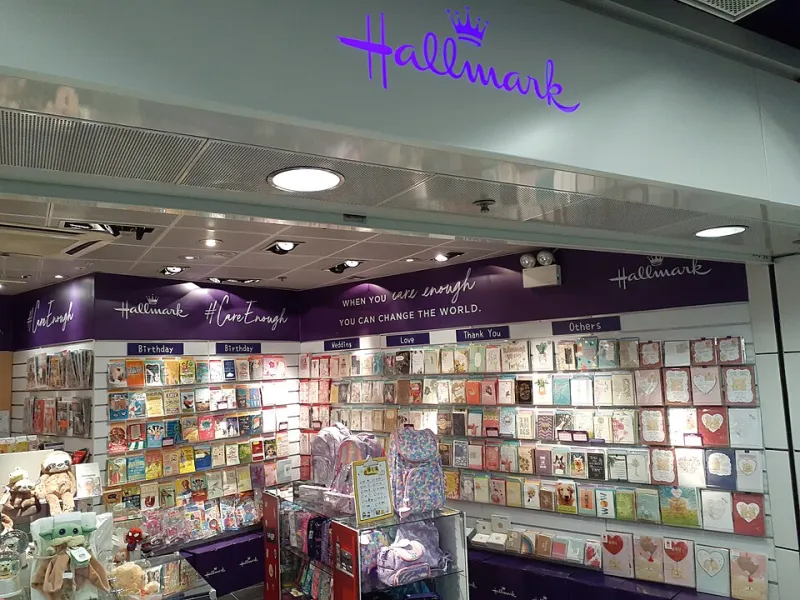
Photo: NGALuSoI Faimm, CC BY-SA 4.0, via Wikimedia Commons
A £25 gift card is the Christmas present equivalent of a neutral handshake. It fits almost anyone, it does not need a size swap, and it says “I thought about you, but not for very long.” The problem is that the £25 figure on the front is not always the £25 of buying power the recipient gets. Sometimes it is less. Sometimes it is much less.
For this DirectStore24 price check, we bought ten £25 gift cards from UK direct-to-consumer brands between late October and early November 2026. The mix covered fashion, coffee, grooming, homeware, supplements, stationery and a couple of subscription-style stores. We did not use them as gifts. We used them as test vouchers, tracking expiry dates, minimum spends, excluded items, partial-redemption rules and what happens if the recipient wants cash back or a refund. To keep the exercise fair and avoid turning temporary promotions into permanent accusations, we have anonymised the ten brands as A to J. The patterns matter more than the names.
The £25 on the card is a starting point, not a promise
All ten cards were bought at face value, so nobody paid a fee to activate them. That is the first thing to check: a £25 gift card that costs £27.50 is not a £25 gift card, it is a £27.50 gift card with a £25 label. None of our ten charged a purchase fee, but two made a point of saying fees could apply to replacement cards or balance checks. One mentioned an “administration fee” for paper replacement. It was buried in the FAQ, which is where useful information goes to die.
We then scored each voucher on usable value: how much of the £25 a typical shopper could realistically spend on a normal basket without jumping through hoops. The best card scored the full £25. The worst came in at £14.20 once we applied its minimum spend and excluded the only category the recipient actually wanted. That is a 43% haircut before anyone has wrapped it.
Leak one: the expiry date that starts before Christmas
The most common trap was not a short expiry date. It was an expiry date that starts at purchase, not at giving. If you buy a gift card in November for a December gift, and it expires in 12 months, your recipient has 11 months, not 12. If it expires in six months, they have five. One of our ten cards had a six-month expiry from activation. Bought on 1 November 2026, it would die on 1 May 2027. That is fine for a birthday in February and less fine for a Christmas gift opened by someone who likes to “save it for something special.”
Two brands extended expiry if you registered the card online. One required you to create an account and opt into marketing email to get the extension. That is not a gift card feature; that is a data-collection exercise with a countdown timer.
Leak two: minimum spends that turn £25 into a top-up
A gift card should not require a top-up, but four of our ten did. The most common version was a minimum basket value of £30 or £35 before the gift card could be used. On a £25 card, that means the recipient has to spend at least £5 or £10 of their own money to unlock your present. In one case, the minimum spend excluded delivery, so the real threshold was £35 plus £3.95 postage. The £25 gift became a £38.95 commitment.
This is the bit gift-givers miss because it is not on the card. It is in the terms. If you are buying a DTC voucher for someone who is not already a regular customer, check the minimum spend before you pay. Otherwise you are giving them a coupon with a bill attached.
Leak three: sale items and “excluded categories”
Five of the ten cards excluded sale items. That is annoying but common. Less common was a card that excluded the brand’s core product category. One grooming brand’s £25 card could not be used on razors or blades — the two things people actually buy from a grooming brand — only on skincare and accessories. Another coffee card excluded subscriptions, which is where most of the value sits. A homeware card excluded “limited edition” lines, which in November 2026 seemed to mean most of the Christmas range.
The lesson is simple: a gift card is only as good as the aisle it lets you shop in. If the recipient is likely to spend it on the thing the brand is famous for, check that the thing is not excluded. If it is, buy something else.
Leak four: refunds that come back as credit
We tested one return with each card where possible. Refund rules varied more than we expected. Some brands refunded the card balance within a few days. Some refunded only as store credit, even if the original purchase was partly paid by card. One brand’s policy said refunds would be issued to the gift card first and any remainder to the original payment method — which is fair enough, but only if the gift card has not expired in the meantime. If it has, the refund can land on a dead card.
Another brand charged a return fee of £2.95, deducted from the refund. On a £25 gift card, that is nearly 12% of the value gone on a single return. Check the returns policy before you gift a card from a brand with tricky sizing.
Leak five: partial balances and “use it or lose it”
Most cards allowed partial redemption, but two did not. If you spend £24.99 on a £25 card, fine. If you spend £19.99, the remaining £5.01 stayed on the card — but only if the card was still active. One brand voided the remaining balance after 30 days of inactivity. Another charged a monthly dormancy fee of 99p after nine months. These are small numbers until you realise the card is designed to be forgotten. A forgotten £25 card with a dormancy fee is a slow leak in the brand’s favour.
The pre-Christmas 2026 checklist
Before you buy a DTC gift card this Christmas, run these five checks:
- Expiry start date. Does the clock start at purchase or at activation? If it is purchase, subtract a month for gifting.
- Minimum spend. Can the card be used on its own, or does the recipient need to add money? Include delivery in the maths.
- Excluded items. Sale, subscription, limited edition, core category. If the obvious purchase is excluded, walk away.
- Refund route. If they return the item, does the money go back to the card, to store credit, or to their bank? What happens if the card has expired?
- Partial use and fees. Can they spend £12.50 and keep the rest? Is there a dormancy fee or replacement fee?
The bottom line
A £25 gift card is still a decent present. It is not a cop-out if you choose it properly. But the gap between the headline value and the usable value can be wide enough to swallow a box of chocolates. In our ten-card test, the best vouchers were the boring ones: clear expiry, no minimum spend, no excluded core ranges, refunds back to the card and no dormancy fees. The worst were the ones that looked like £25 and behaved like a £15 voucher with a to-do list.
If you are shopping for Christmas 2026, buy the card that matches how the person actually shops. And if the small print reads like a rental agreement, put it back on the rack. The recipient will thank you — or at least they will not have to spend their own money to use your present.